How To Organize a Walk-In Closet: 5 Expert Tips & Ideas
Organizing a walk-in closet starts with sorting everything into keep, donate, and relocate categories, then building dedicated zones for hanging, folding, shoes, and accessories. The most effective walk-in layouts use vertical space, double hanging rods, and drawer sections to keep daily items within arm's reach.
After 10 years of building walk-in closets, one pattern keeps showing up: homeowners don't run out of closet space. They run out of the right kind of space. Shelves end up too deep, hanging rods sit too high, and shoes pile on the floor because no one planned a zone for them. Drawing on hundreds of walk-in closet projects across Metro Atlanta , Pi Cabinetry shares five proven strategies below.
1. Purge Before You Plan
Pull everything out of the closet before measuring, shopping, or designing. Sort items into three groups: keep, donate, and relocate to another room. Most homeowners discover they're storing 30% to 40% more clothing than they regularly wear.
This step directly affects what kind of storage you'll need. Fewer hanging items means you can allocate more wall space to shelves and drawers. More shoes than expected means a dedicated shoe section becomes essential rather than optional.
2. Create Zones by Category
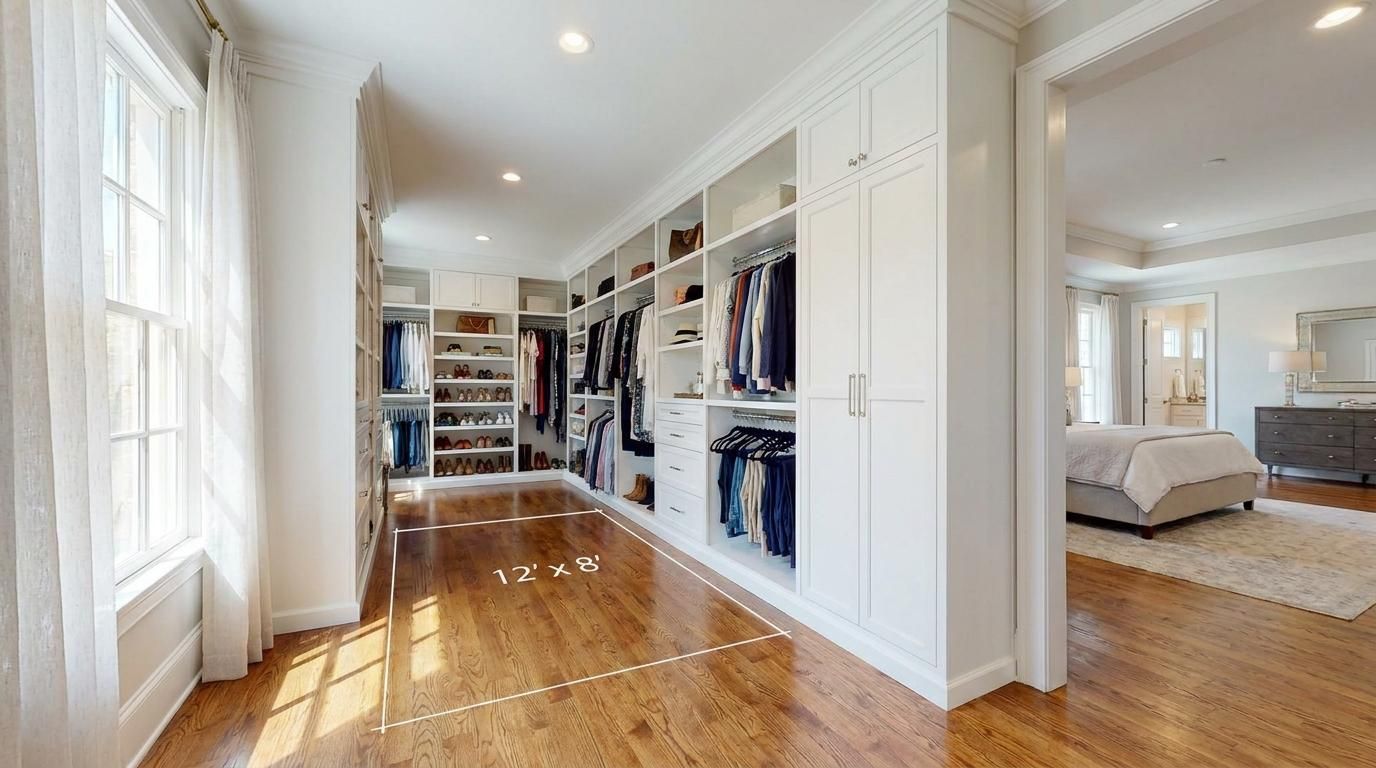
Divide your walk-in closet into four zones based on item type:
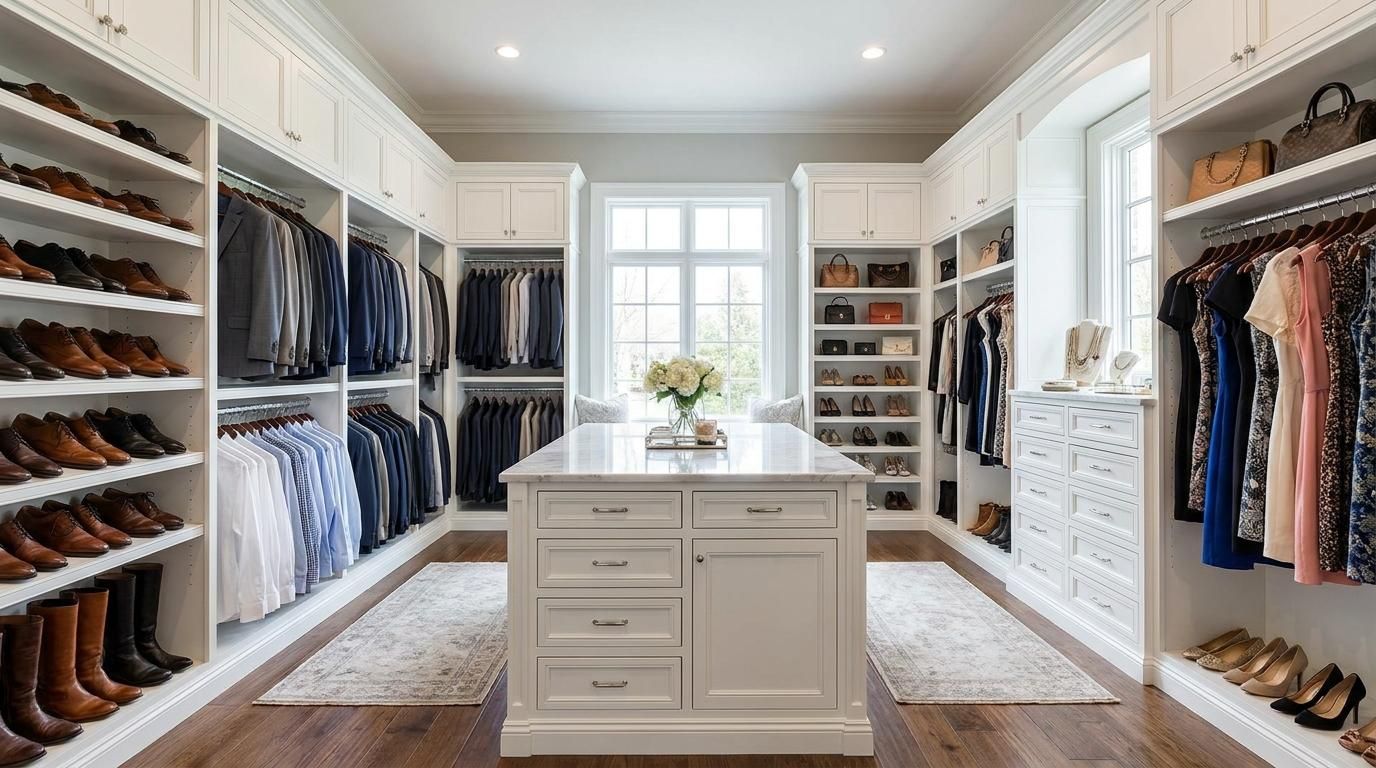
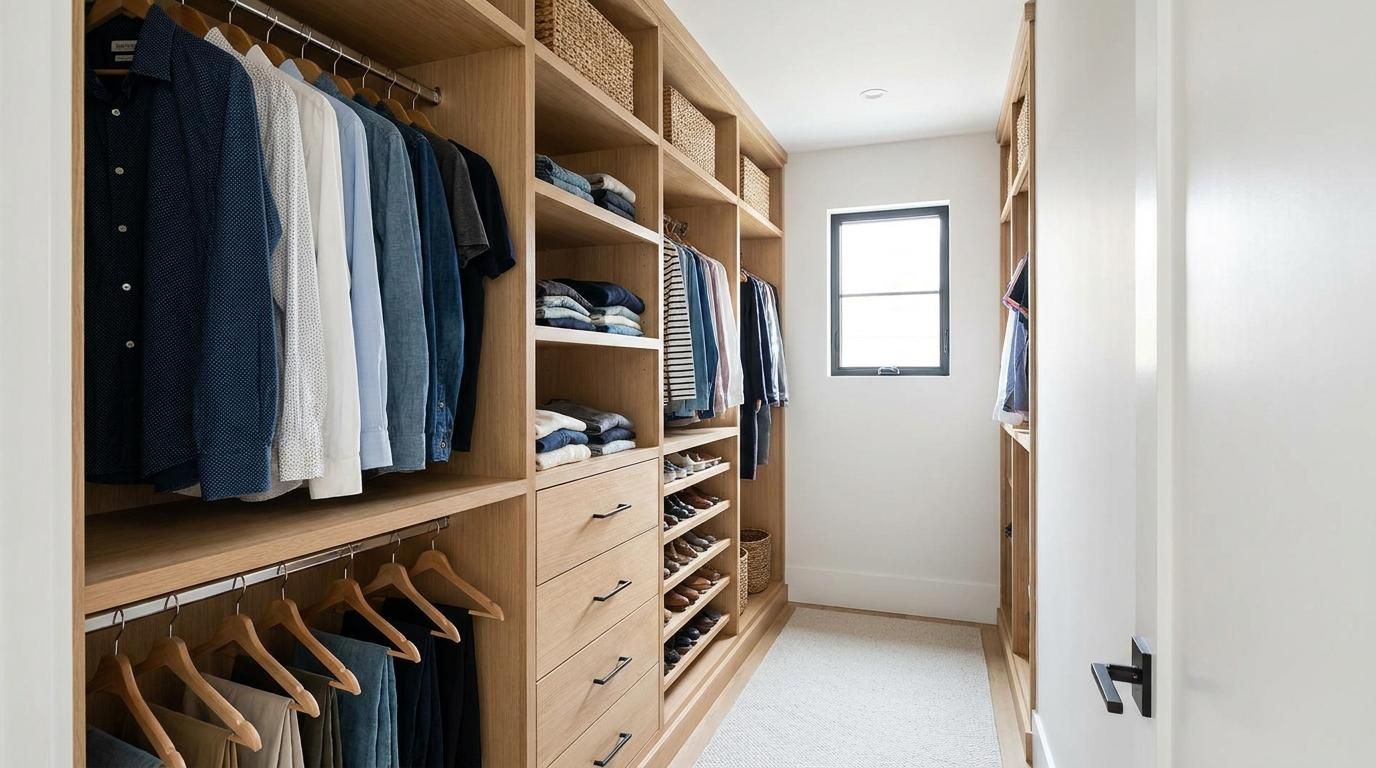
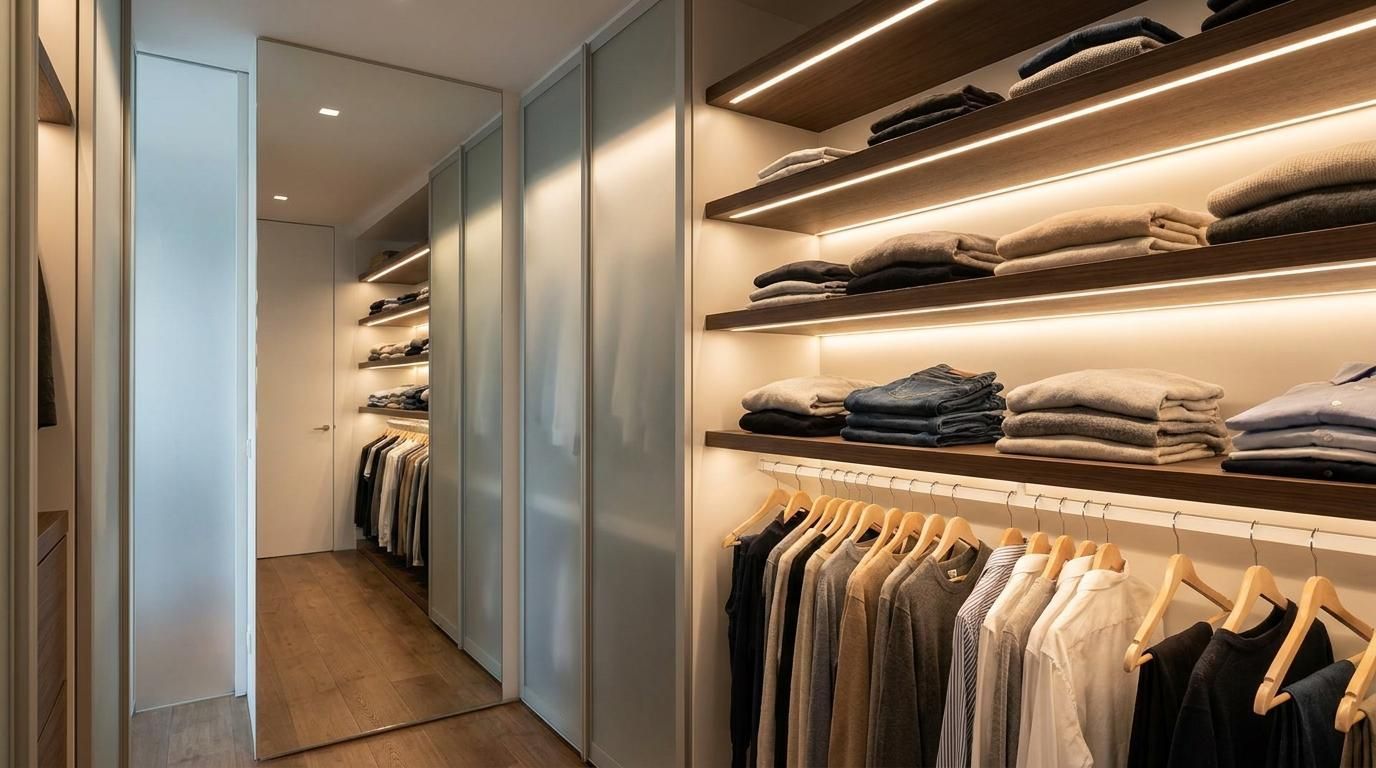
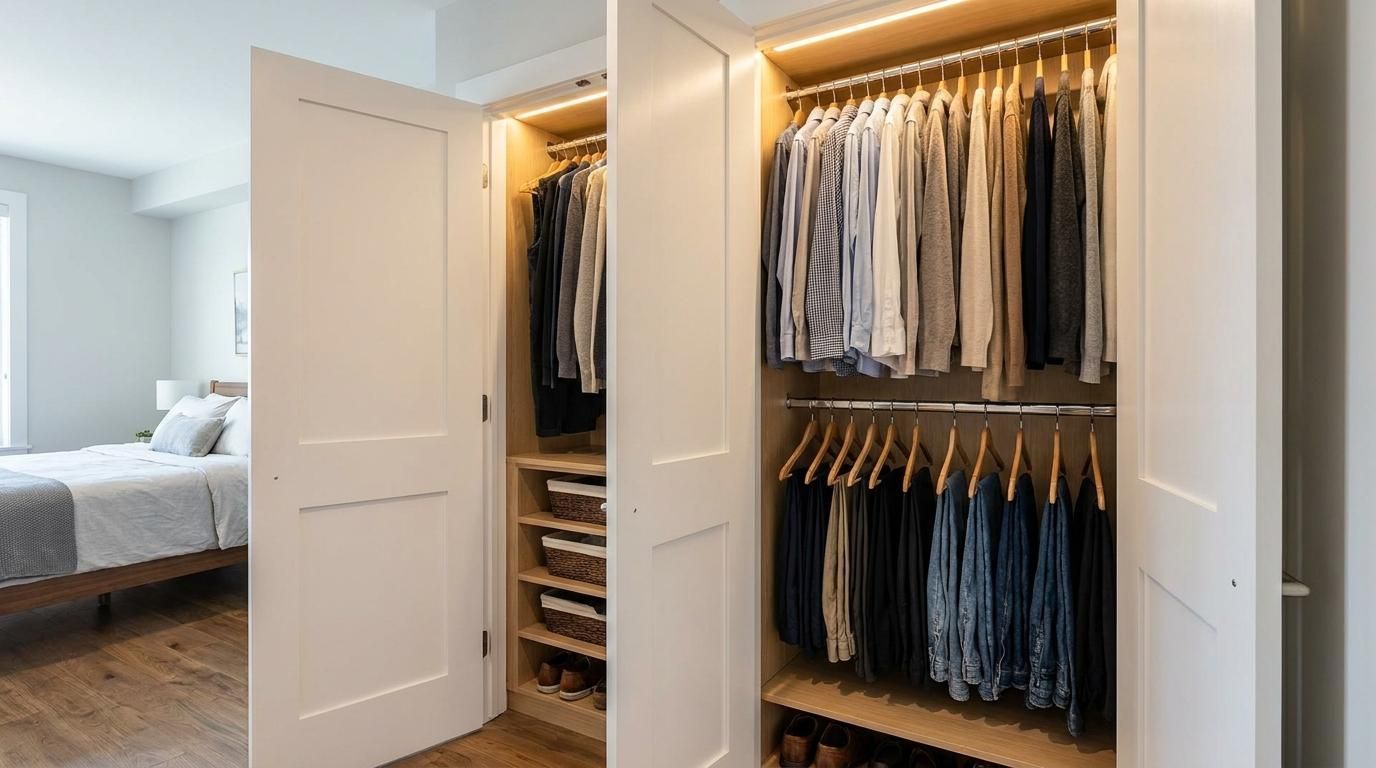
- Hanging zone: Double rods for shirts, blouses, and folded pants. Single rods for dresses and coats.
- Folding zone: Adjustable shelves and baskets for sweaters, jeans, and workout clothes.
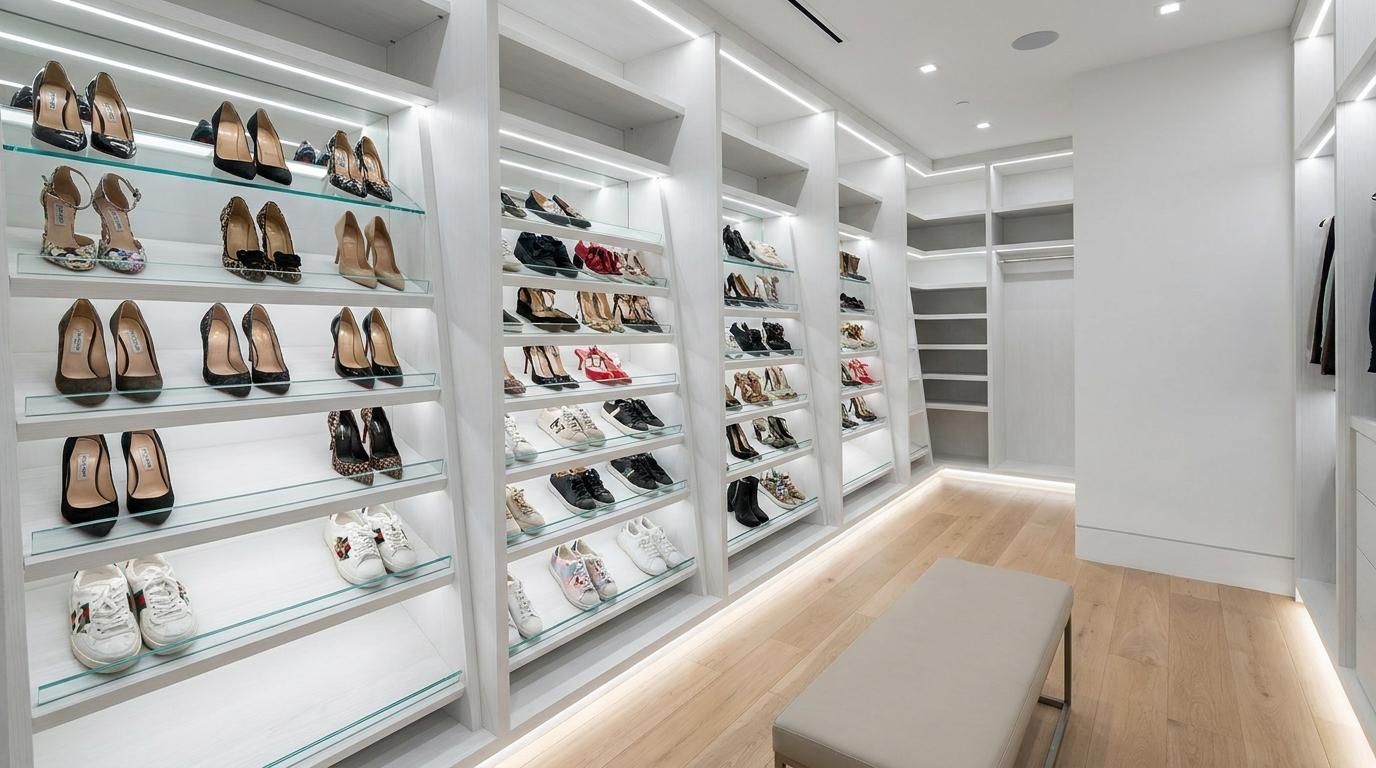
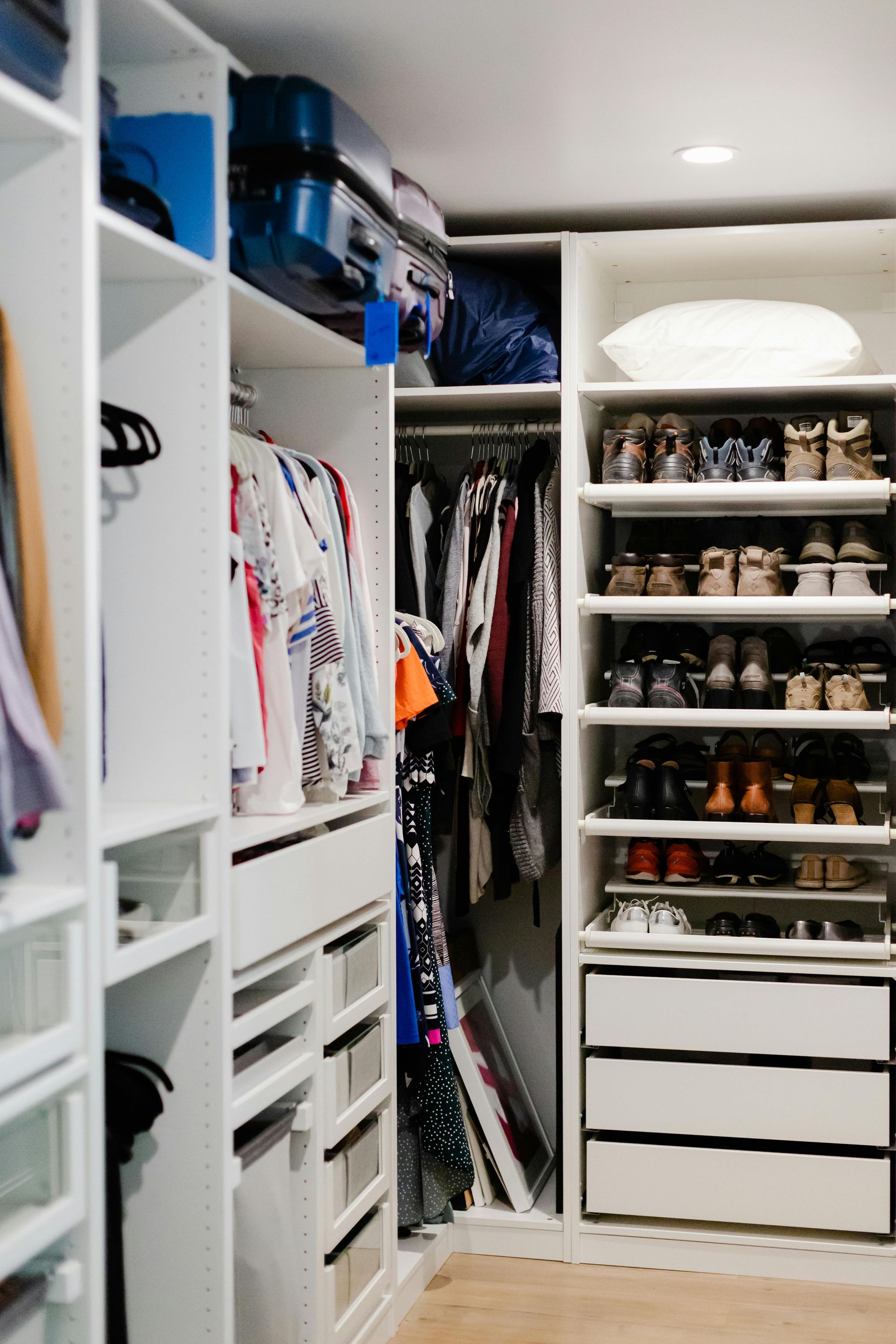
- Shoe zone: Angled shelves or cubbies near the floor for daily pairs, with higher storage for seasonal shoes.
- Accessory zone: Hooks, trays, or shallow drawers for belts, jewelry, scarves, and watches.
Placing frequently used items at eye and waist level reduces morning search time. Seasonal items belong on the top shelf where they're accessible but out of the way.
3. Use Vertical Space With Double Hanging Rods
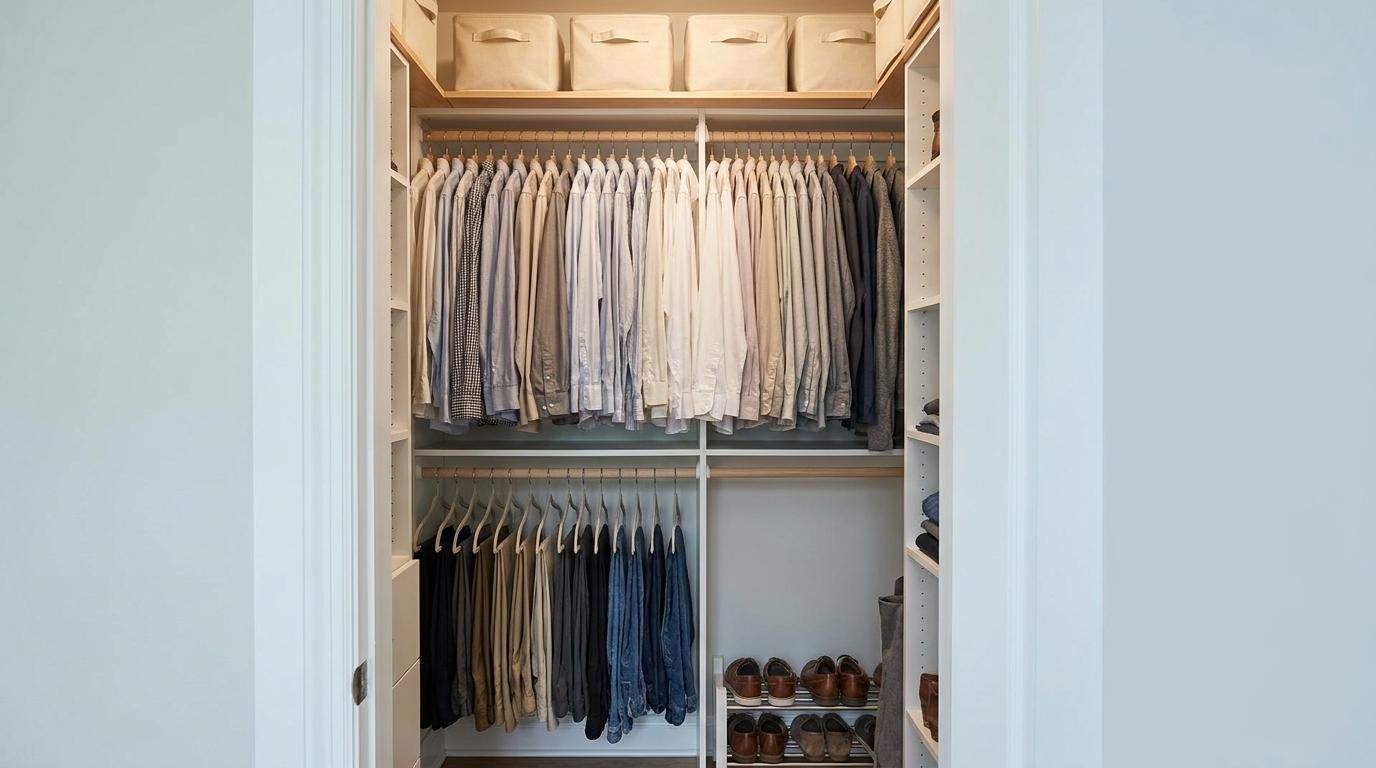
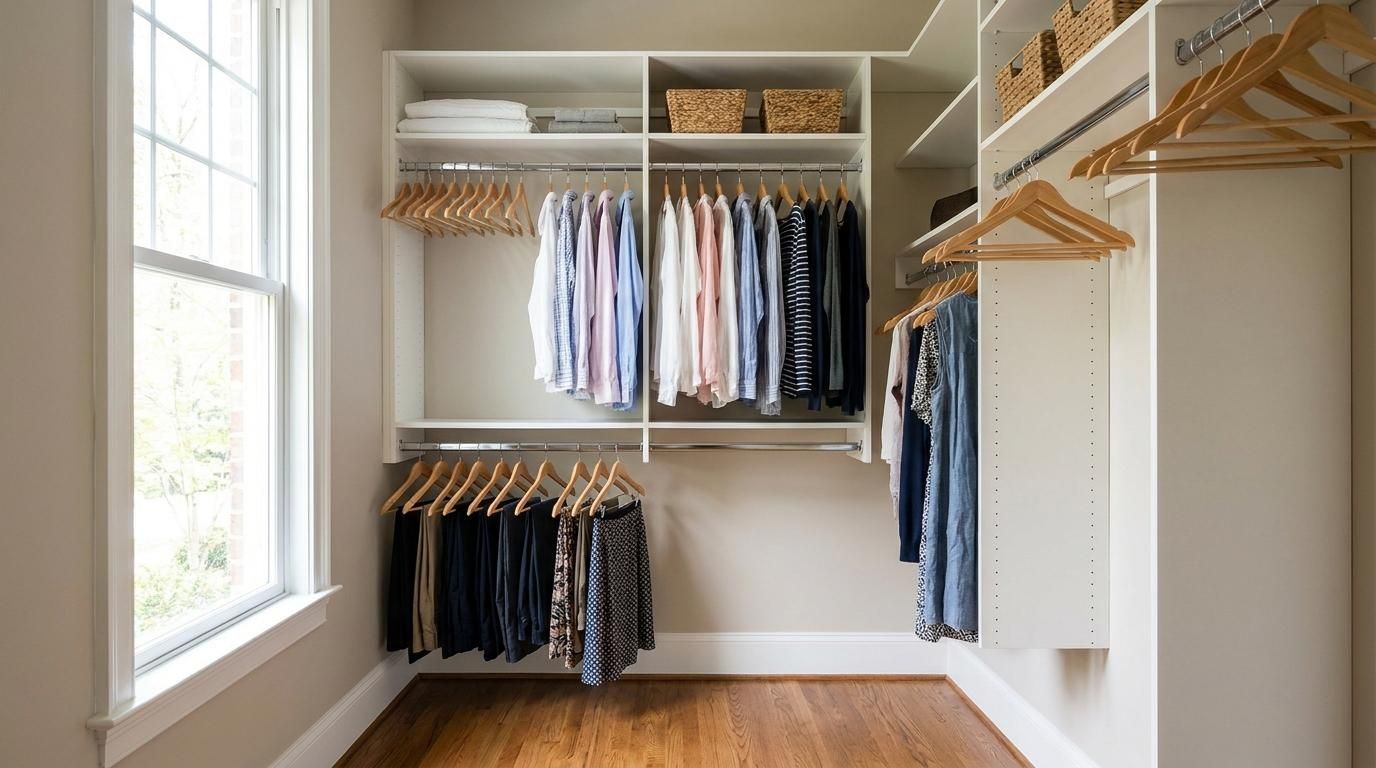
Standard closets waste the upper third of wall space. Installing a second hanging rod at 40 inches doubles your hanging capacity on that wall without losing any floor area. Reserve one wall section with a single high rod for longer items like dresses and coats.
An adjustable shelf above the top rod creates a third storage tier for bins, luggage, or out-of-season items. Pi Cabinetry's custom closet ideas feature several vertical-space configurations that work with standard 8-foot ceilings common in Metro Atlanta homes.
4. Add Drawers for Folded Items and Accessories
Built-in drawers keep folded clothing visible and accessible, rather than buried in stacks on shelves. Shallow drawers (3-4 inches deep) work for accessories like jewelry, ties, and sunglasses. Medium drawers (6-8 inches) hold folded shirts and undergarments. Deeper drawers (10-12 inches) are ideal for sweaters and bulky items. Pi Cabinetry builds drawer systems using custom carpentry techniques with soft-close slides that prevent slamming and protect delicate contents.
5. Manage Atlanta's Humidity With Proper Materials
Metro Atlanta's humidity regularly exceeds 70% during the summer months. That moisture affects closet interiors, especially in homes without dedicated HVAC vents in the closet. Laminate and melamine panels resist warping and mildew better than untreated wood, making them the practical choice for Georgia closets.
Cedar drawer liners add natural moisture resistance and a fresh scent without chemical treatments. Keeping closet doors open when you're home improves airflow. A small dehumidifier or moisture-absorbing packets in lower corners helps protect leather shoes and bags during the humid months from May through September.
Frequently Asked Questions
What is the 80/20 rule for closet organization?
The 80/20 rule means most people wear about 20% of their wardrobe 80% of the time. Applying this to closet organization, place the core 20% at eye level and within easy reach. Move rarely worn items to higher shelves or the back of the closet where they won't crowd your daily rotation.
How often should I reorganize my walk-in closet?
A full reorganization twice a year works well for Metro Atlanta homeowners. Swap seasonal wardrobes in April and October when temperatures shift. Pi Cabinetry designs closet systems with adjustable shelving that makes seasonal swaps quick because shelf heights change in seconds without tools.
Can a professional closet system help with organization?
A professional system eliminates the root cause of most closet clutter: generic layouts that don't match how you actually store clothing. Custom systems place every shelf, rod, and drawer based on your wardrobe mix. Browse the Pi Cabinetry gallery to see how custom layouts transform disorganized walk-ins.
Build a System That Works for You

An organized walk-in closet matches the layout to how you actually use the space. Purge first, zone second, and invest in components that handle Atlanta's humidity without constant maintenance.
Contact Pi Cabinetry online or call (404) 490 0708 to schedule a free design consultation. See a 3D model of your walk-in closet with zones, drawers, and materials selected for your wardrobe and Metro Atlanta home.